
Master Portion Control with Expert Guidance
Understanding how much to eat is one of the most powerful yet overlooked tools for better nutrition and sustainable wellness. Our evidence-based portion control tips help you build intuitive eating habits that work for your lifestyle, without obsessing over measurements or deprivation.
Impact by the Numbers
of overeating stems from unclear portion awareness rather than lack of willpower
typical timeframe to develop reliable portion intuition with consistent practice
your hand becomes the most portable, personalized measuring guide you'll ever own
satisfaction when eating feels intentional rather than rushed or unconscious
The Science Behind Smart Portions
Your body produces hormones like leptin and ghrelin to signal hunger and satiety, but these messages travel slowly through your bloodstream. It takes roughly 20 minutes for your brain to register fullness, which is why slowing down and eating with awareness is so crucial.
Research shows that plate size, eating speed, and visual cues dramatically influence how much we consume—often without conscious awareness. By understanding these triggers and using practical techniques like the hand-measure method, you tap into body wisdom rather than restrictive willpower.
Portion control isn't about eating less; it's about eating the right amount for your unique body and goals. When portions align with hunger cues and nutrient density, people naturally feel fuller, more energised, and less obsessed with food.
Discover More ArticlesFive Essential Portion Control Strategies
Master these evidence-based techniques to build intuitive eating habits that stick for life.
The Hand Measure Method
Your hand is proportional to your body. One palm = protein, one fist = carbs, one handful = fats, one thumb = oils. This eliminates guesswork and travels with you everywhere.
- No scales needed
- Automatically personalised
- Works at restaurants
The Plate Method
Divide your dinner plate: half vegetables, one quarter lean protein, one quarter whole grains or starchy vegetables. Visual simplicity removes the math from healthy eating.
- Nutrient balance guaranteed
- Satisfying and sustainable
- Works for families
Mindful Eating Practices
Slow down, chew thoroughly, remove distractions, and pause halfway through your meal. This gives your satiety hormones time to signal fullness naturally.
- Improves digestion
- Reduces overeating automatically
- Increases food enjoyment
Hydration & Appetite Balance
Thirst often masquerades as hunger. Drinking water before meals reduces calorie intake by up to 23% and helps distinguish true hunger from dehydration.
- Supports natural appetite control
- Boosts energy and clarity
- No cost or complexity
Portion Prep & Storage
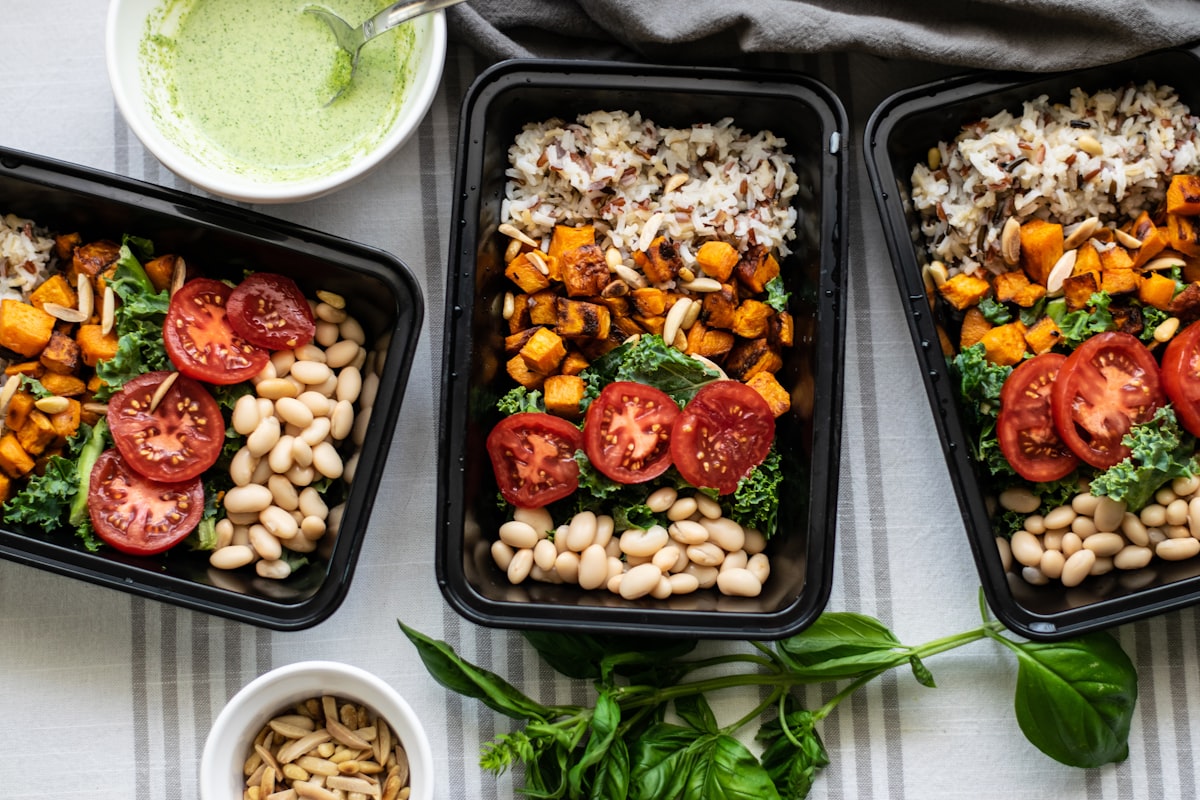
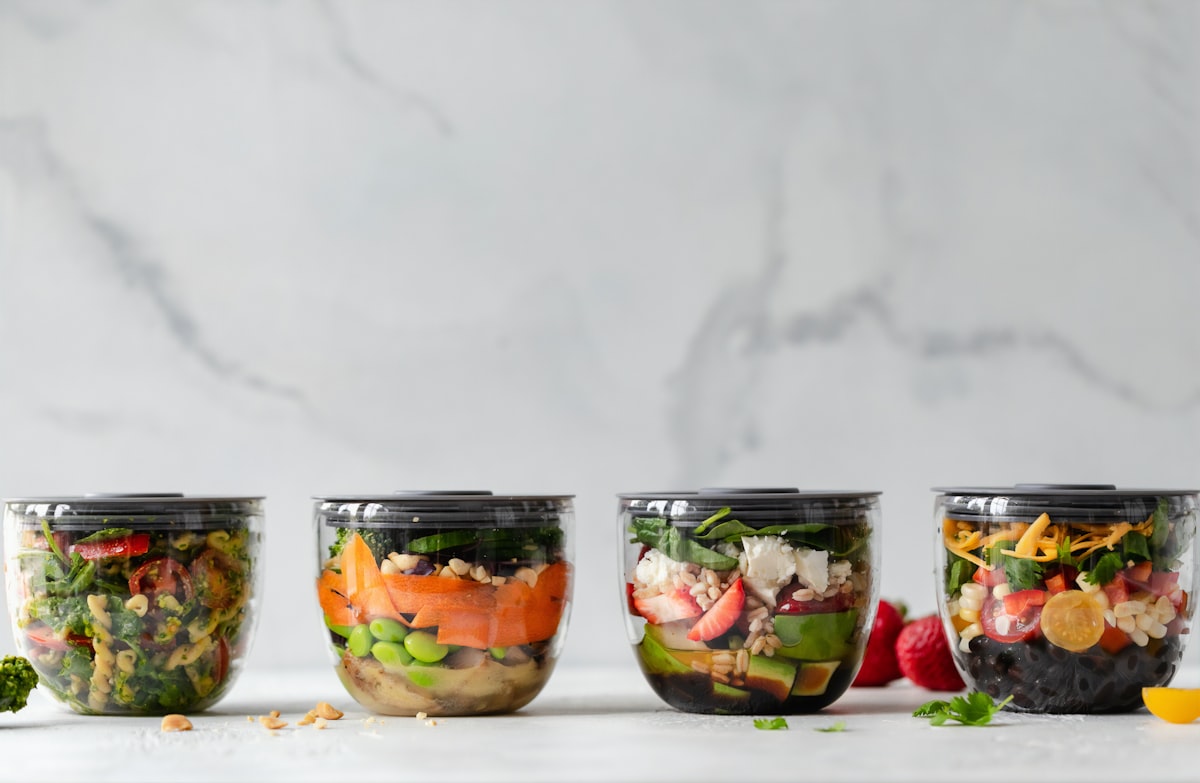
Pre-portioning snacks and meals removes decision fatigue and prevents mindless overconsumption. Clear containers make healthy choices visible and convenient.
- Saves time during busy weeks
- Reduces food waste
- Keeps you on track
Visual Portion Size Reference Guide
Quick visual comparisons to help you estimate portions at a glance, without weighing or measuring.
Protein Portions
One palm-sized portion (roughly 25-30g) of cooked lean meat, fish, or poultry per meal. Use the deck-of-cards comparison for thickness and the palm for size.
Examples: chicken breast, salmon fillet, lean beef, eggs
Carbohydrate Portions
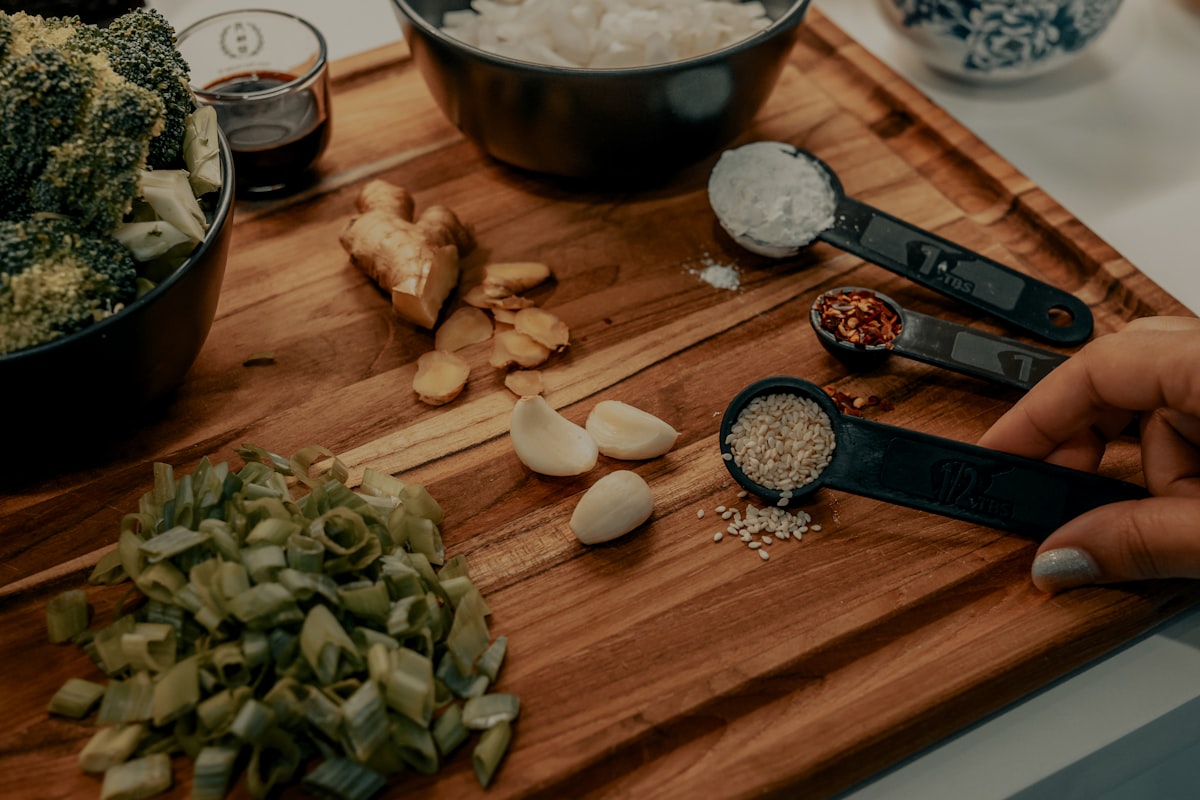
One fist-sized portion of cooked grains, pasta, or starchy vegetables. A closed fist approximates 1 cup of cooked carbs or one slice of bread.
Examples: brown rice, sweet potato, whole-grain bread, oats
Healthy Fats & Oils
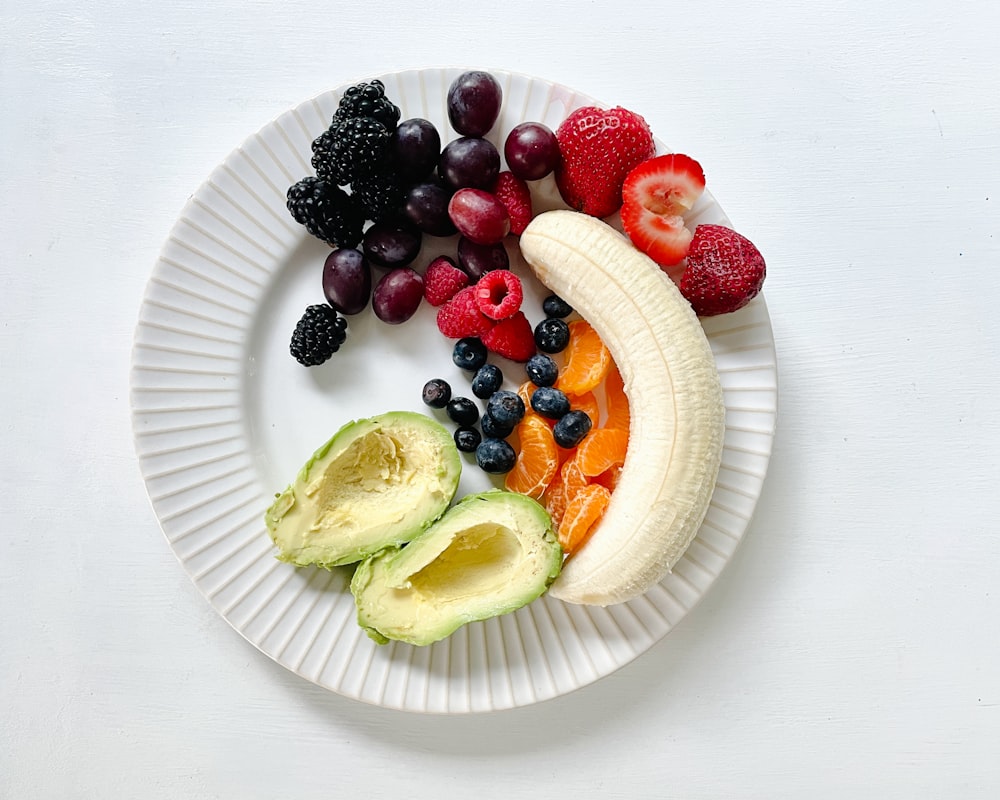
One thumb-sized portion of cooking oil (1 tablespoon) or a small handful of nuts/seeds. Fats are calorie-dense, so small portions provide satiety and essential nutrients.
Examples: olive oil, nuts, nut butters, avocado, seeds
Vegetables & Salads
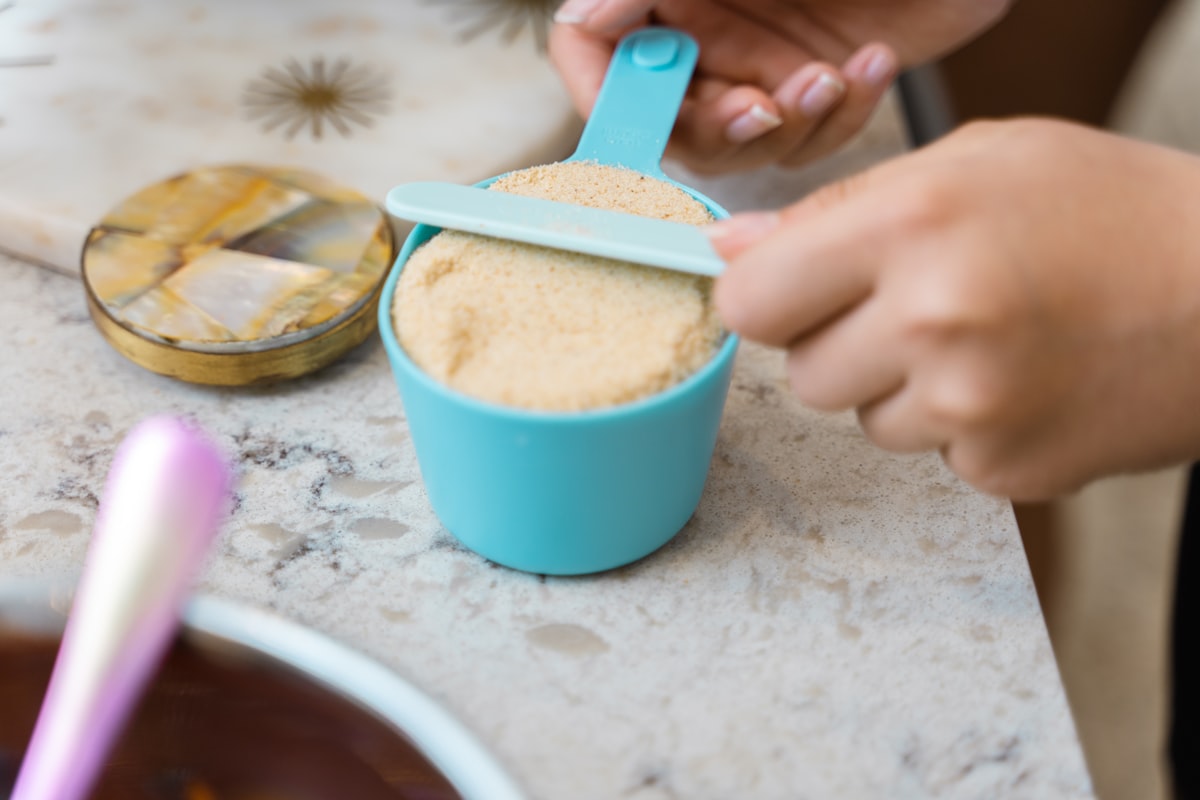
Aim for 2-3 fist-sized portions of vegetables per meal. Fill half your plate with raw or cooked vegetables—they're nutrient-rich and naturally low in calories.
Examples: broccoli, spinach, carrots, peppers, leafy greens
Smart Snacking
Choose snacks that combine protein + fibre + healthy fat for lasting satisfaction. A small handful is your ideal snack size—roughly a closed fist or cupped palm.
Examples: Greek yoghurt, hummus with vegetables, cheese and fruit
Condiments & Spreads
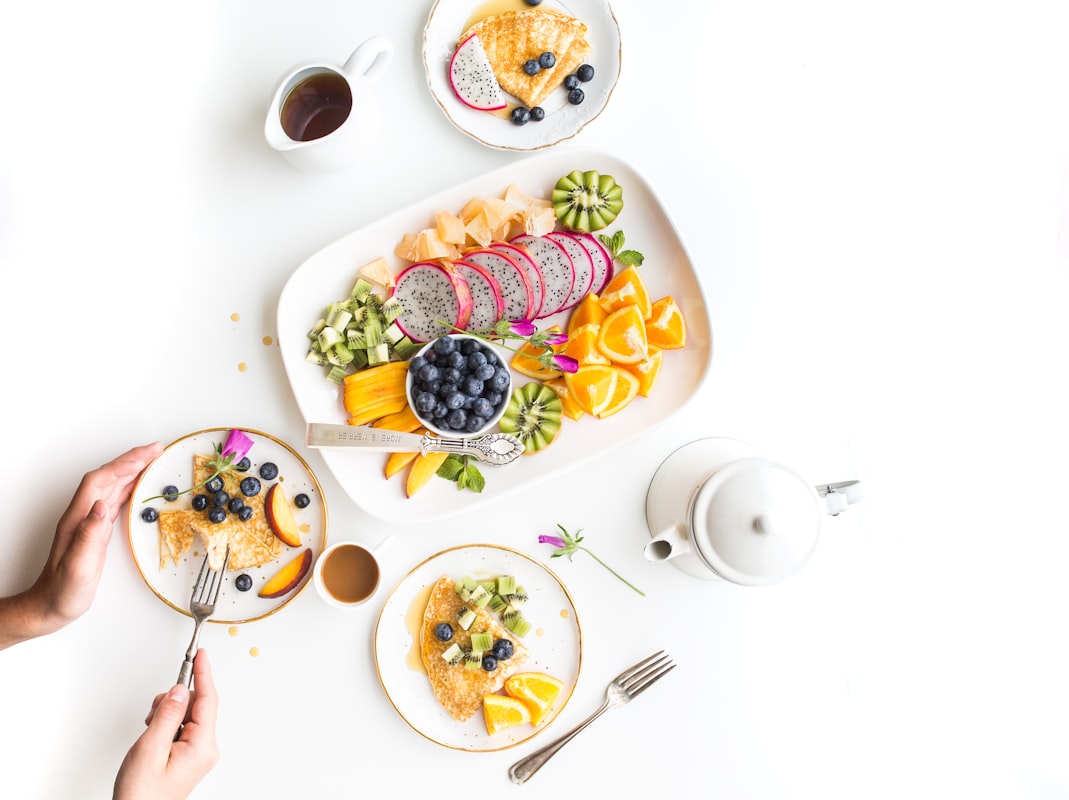
Use the tip of your thumb for dressings, mayo, and spreads (about 1 teaspoon). These flavour-makers add calories quickly, so a little goes a long way.
Examples: salad dressing, peanut butter, mayonnaise, jam
Your 4-Week Portion Mastery Journey
A practical progression to build sustainable portion control habits step by step.
Week 1: Awareness & Baseline
Take photos of your typical meals for 3-4 days (no changes yet). Notice portion sizes, eating speed, and hunger cues. Download a simple food journal app or use paper. This creates a baseline and reveals patterns without judgment.
Week 2: Learn the Tools
Master the hand-measure method and plate method. Practise at 1-2 meals daily. Measure your hand proportions (some people have larger hands, so personalise the technique). Start eating slower—set a 20-minute minimum for main meals.
Week 3: Build Consistency
Apply the hand method to all meals. Add hydration practices—drink water upon waking and 15 minutes before meals. Practise pause-and-check halfway through eating to assess fullness. Prep 2-3 snack portions for the week.
Week 4: Intuition & Refinement
By now, portion sense should feel natural. Test eating without measuring—trust your body. Fine-tune for your hunger pattern: some people thrive on 3 meals, others on 4-5 smaller ones. Reflect on what works long-term and plan your sustainable approach forward.
Remember: this is a guide, not a rigid schedule. Progress at your own pace. The goal is intuition, not perfection.
Success Stories from Our Community
Real experiences from people who applied these portion control strategies and transformed their relationship with food.
The hand-measure method changed everything for me. I stopped obsessing over calories and started trusting my body. Within three weeks, I wasn't overeating at dinner anymore, and I didn't feel deprived. It's such a simple tool, but it works.
Sarah Mitchell
Manchester, UK
I've tried so many diets and nothing stuck. But learning the science behind portion control—why my brain takes 20 minutes to feel full—made it click. Now I eat mindfully without feeling restricted, and the energy boost has been incredible.
David Chen
Edinburgh, UK
Pre-portioning my snacks sounds tedious, but it's genuinely freed me from decision fatigue. I know exactly what to grab, no thinking required. Combined with the plate method at meals, it's the easiest nutrition habit I've ever maintained.
Emma Williams
Bristol, UK
As someone who travels constantly, the hand-measure method is a lifesaver. No scales needed, no confusion at restaurants. I can order confidently and eat the right amount no matter where I am in the world.
James Patel
London, UK
I was sceptical at first, but drinking water before meals genuinely reduced my appetite. It's not magical—it's just smart physiology. I'm more satisfied with less, and it costs nothing. That's the kind of practical advice that actually works.
Lisa Thompson
Glasgow, UK
The four-week journey structure gave me a clear progression instead of feeling overwhelmed. I loved the Week 1 awareness phase—it made me realise I was eating on autopilot. Now I'm intentional, and food is so much more enjoyable.
Marcus Rodriguez
Cardiff, UK
Frequently Asked Questions
Get answers to common questions about the Vital Wellness Route programme.
Absolutely. The Vital Wellness Route is flexible and adaptable to vegan, vegetarian, gluten-free, keto, and other dietary needs. Our resources include alternatives and customisation guidance for Week 1 onwards.
Most participants spend 30–45 minutes per week engaging with the core content, journaling, and reflection exercises. The rest is integrated into your daily eating habits—no extra time needed.
The four-week framework builds lasting awareness and habits. Many see shifts in energy, digestion, and relationship with food immediately. For deeper transformations, we recommend extending the practices beyond Week 4 or working with our optional one-to-one coaching.
Yes. All participants receive access to our community forum and resource library for life. We also offer optional monthly group sessions and individual coaching packages for continued guidance.
You can start any time that suits you. Our self-paced format means no waiting for cohorts. However, we do run guided group cohorts monthly if you prefer structured accountability and peer support.
Ready to Transform Your Relationship with Food?
Join hundreds who've discovered intention, balance, and joy in eating. Start your four-week journey today.
Secure. Private. Backed by a 30-day money-back guarantee.
Vital Wellness Route
Transform your relationship with food through intention, awareness, and joy. Four weeks to lasting change.
Quick Links
Get in Touch
- [email protected]
- +44 (0)20 1234 5678
- UK-based • Worldwide online